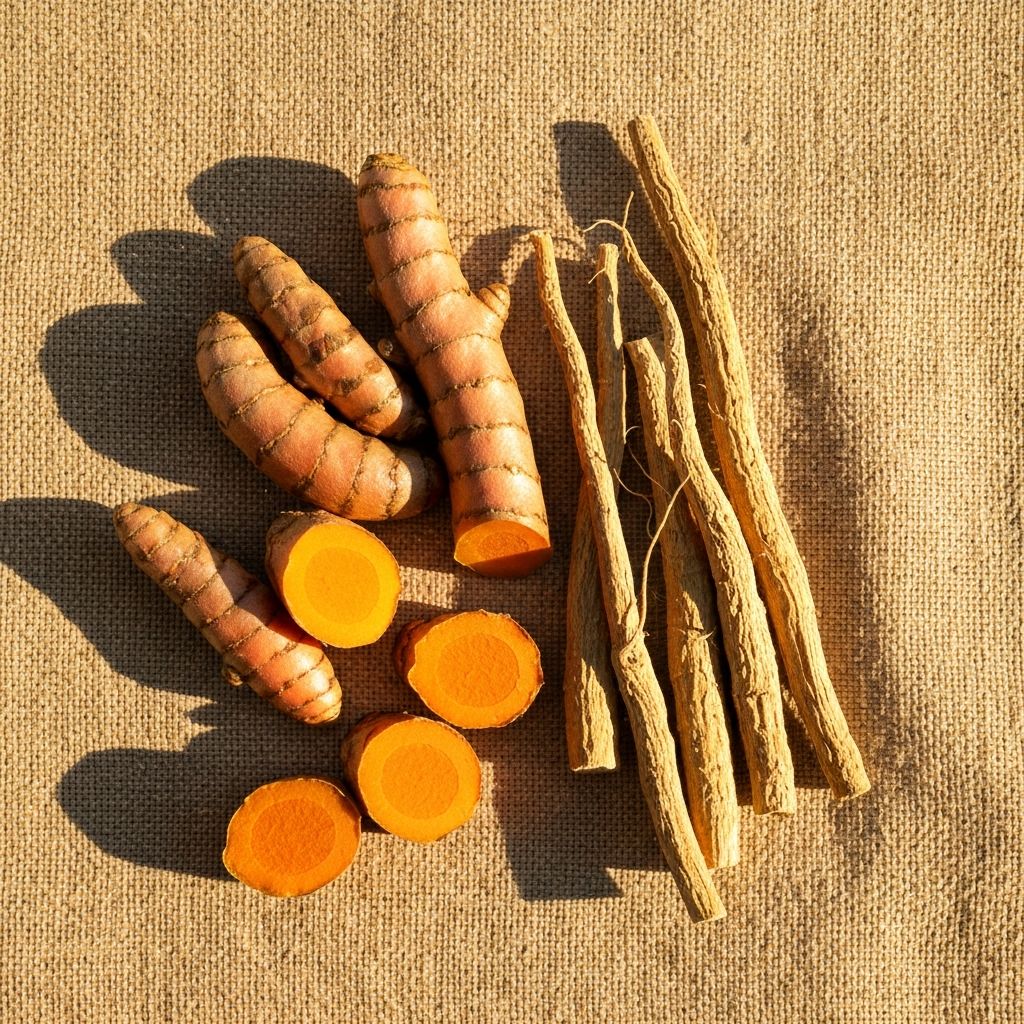
Introduction to the Trio
This educational platform explores three distinct botanical and nutritional elements: Ashwagandha (Withania somnifera), an herb with a long history in traditional wellness practices; zinc, an essential trace mineral critical to human nutrition; and curcumin, a polyphenolic compound derived from turmeric (Curcuma longa). These substances are presented in their botanical, chemical, and nutritional contexts, supported by scientific literature and historical records. This content is informational and educational in nature.
Ashwagandha Botanical Profile
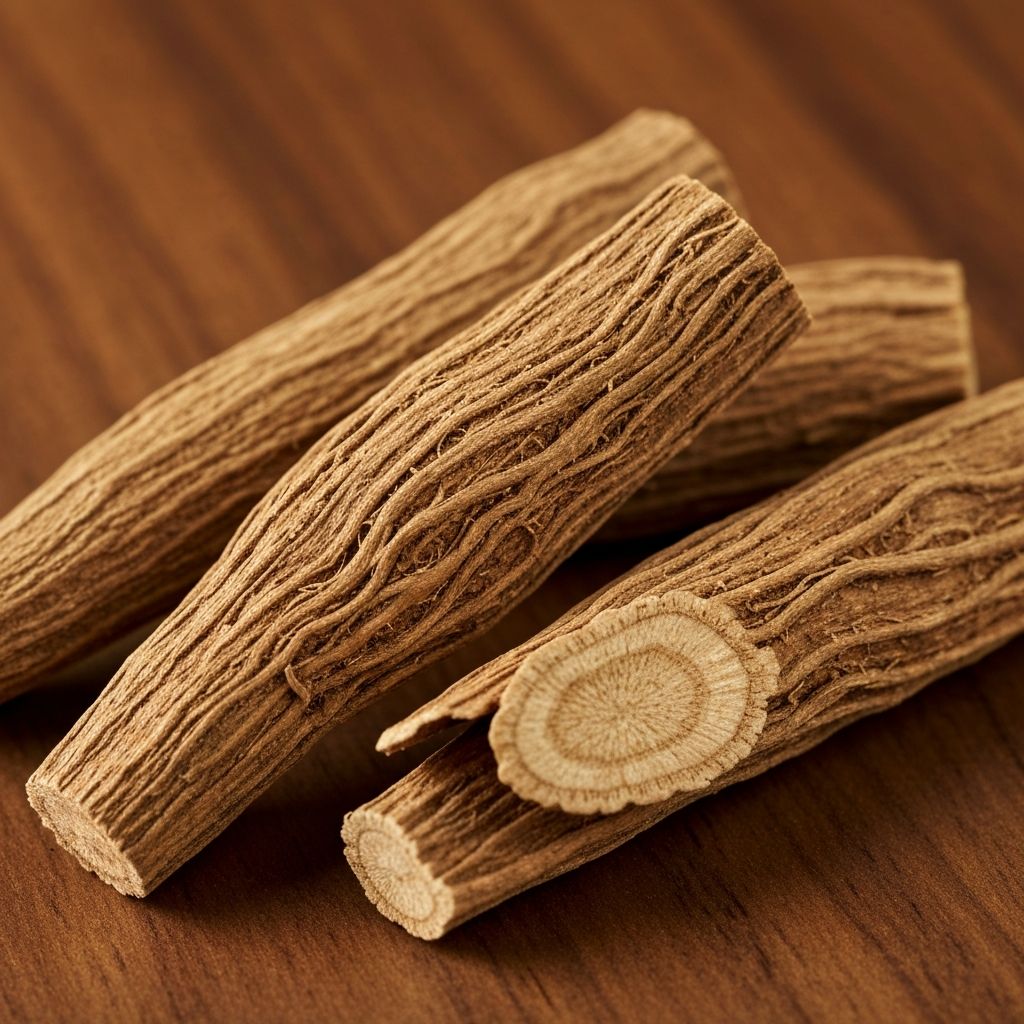
Withania somnifera, commonly known as Ashwagandha, is a perennial shrub native to the Indian subcontinent and North Africa. The plant has been documented in Ayurvedic texts for centuries as a valued botanical. The root contains withanolides, a class of naturally occurring steroid lactones that are the primary active compounds of interest.
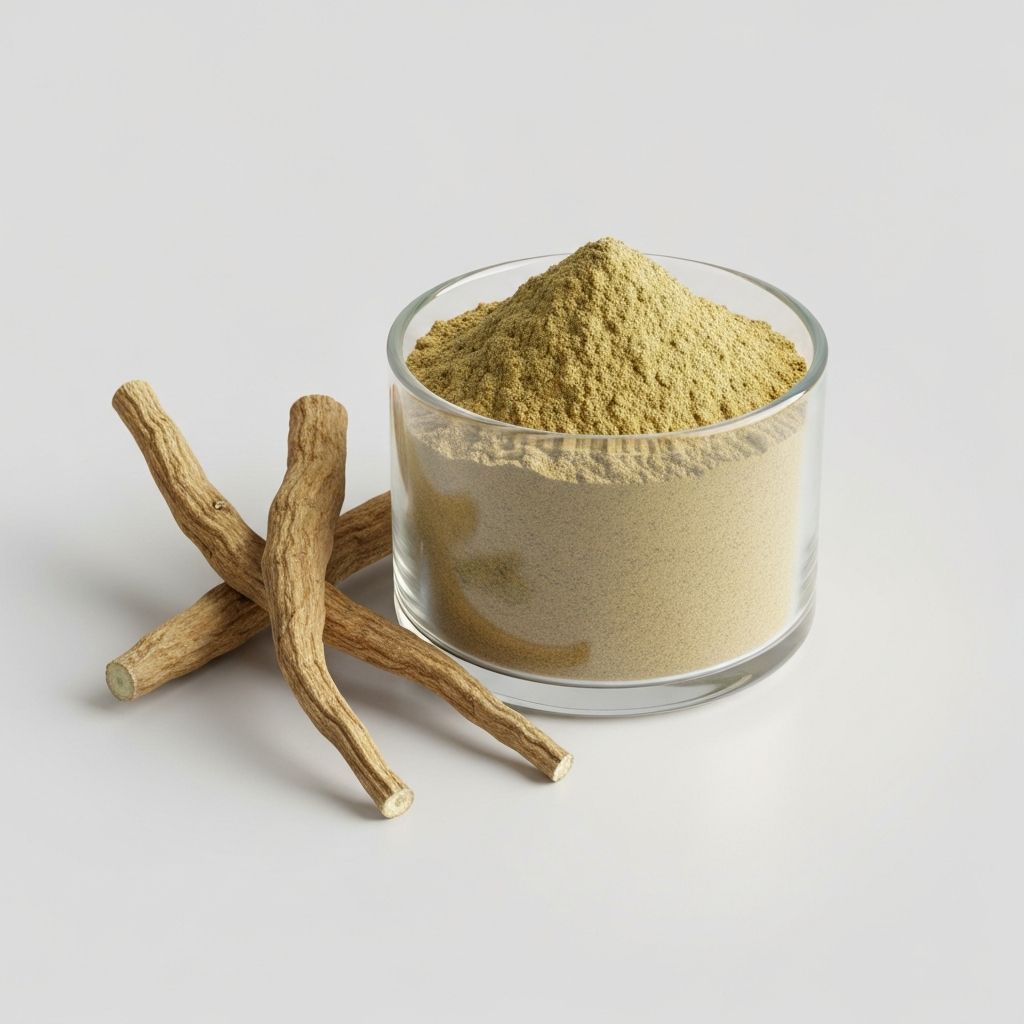
The plant grows in semi-arid regions and has been traditionally cultivated for its roots. Modern botanical studies describe the morphology, growing conditions, and chemical composition of various plant parts. The dried root powder remains a common form of preparation in traditional wellness contexts.
Zinc as Essential Mineral
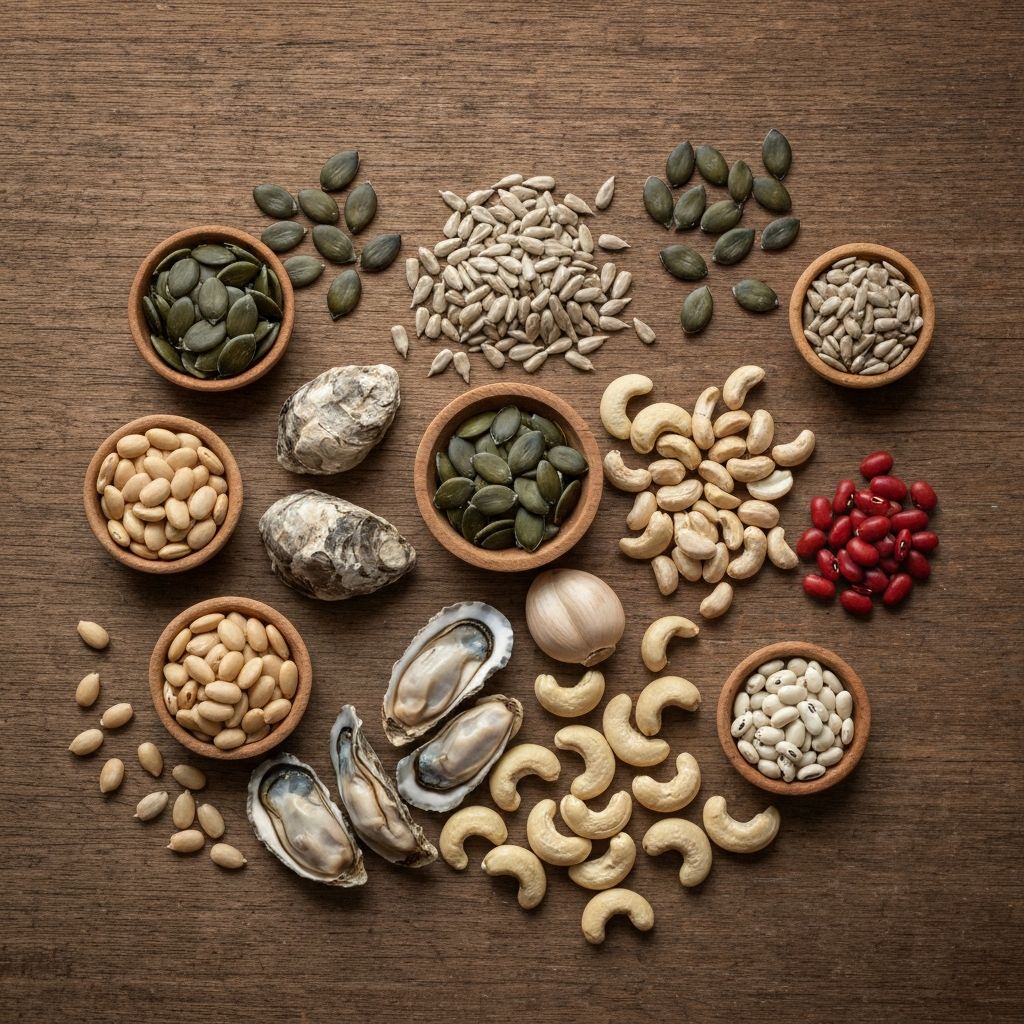
Zinc is a trace element essential to human physiology. It serves as a cofactor in over 300 enzymatic reactions within the body, including protein synthesis, DNA replication, and immune cell development. Dietary sources of zinc include oysters, beef, pumpkin seeds, chickpeas, cashews, and whole grains.
The recommended daily intake varies by age and sex according to nutritional guidelines. Zinc deficiency is rare in well-nourished populations but can occur in specific demographic groups or with certain health conditions. Zinc status is typically assessed through serum zinc levels, though these measures have limitations.
Natural food sources provide zinc in bioavailable forms. The mineral interacts with other nutrients, including phytates and calcium, which may affect absorption rates.
Curcumin from Turmeric
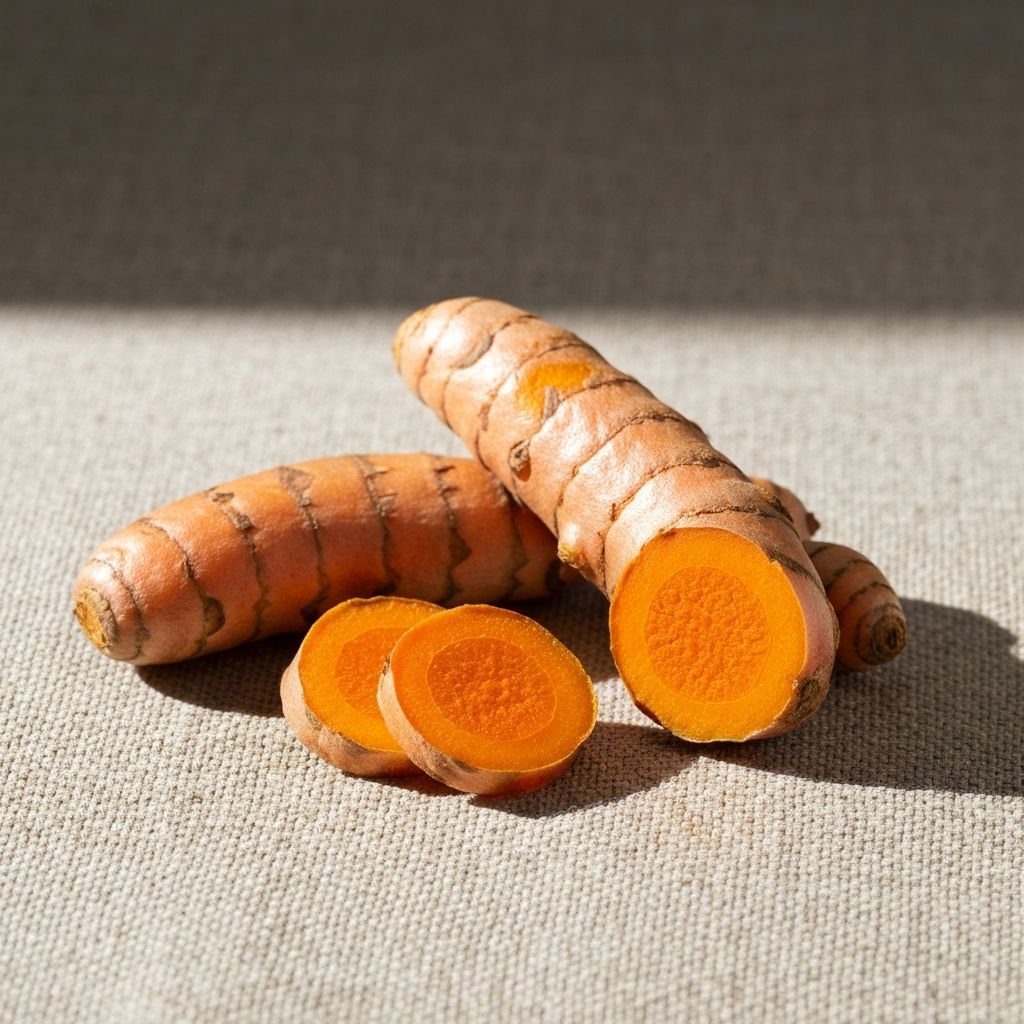
Curcuma longa, known as turmeric, is a rhizomatous plant belonging to the Zingiberaceae family. Native to Southeast Asia, turmeric has been cultivated for thousands of years and holds significant cultural and culinary importance in Indian and Asian cuisines.
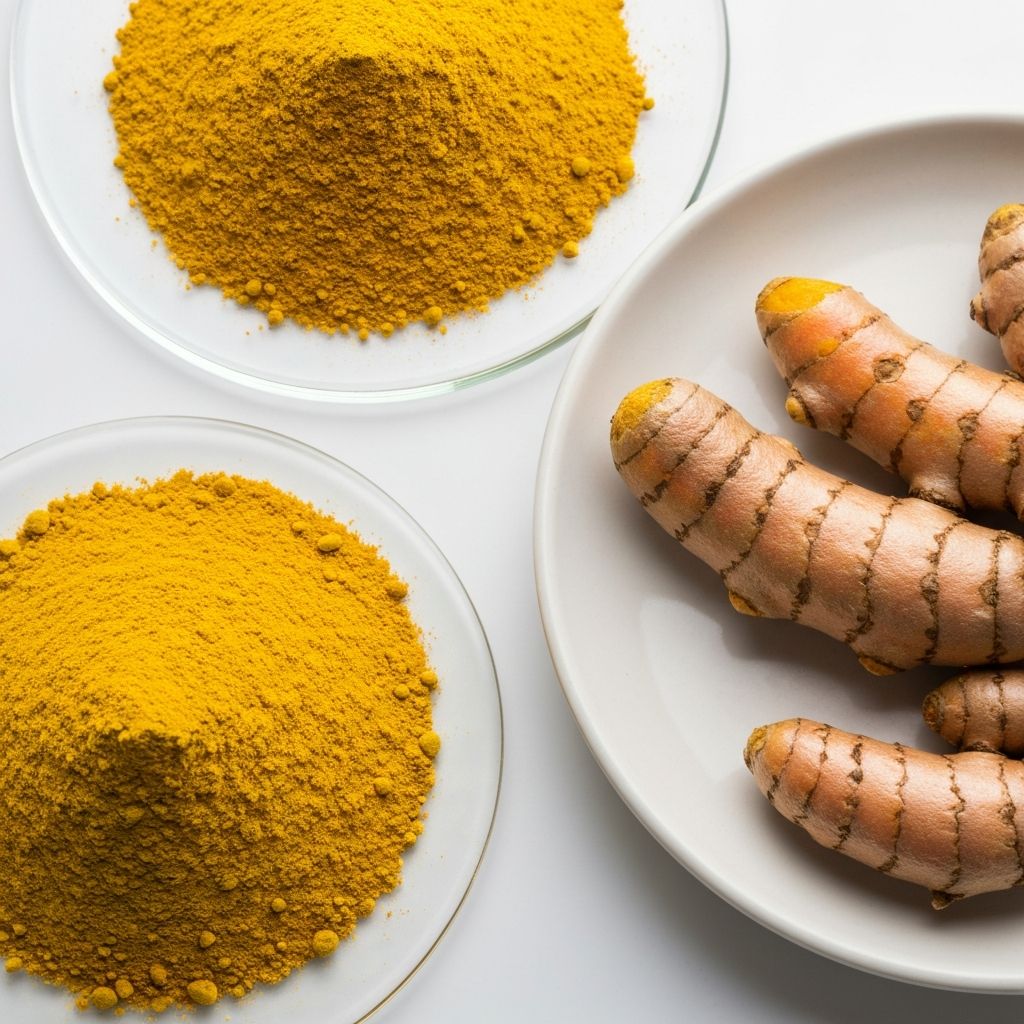
Curcuminoids—including curcumin, demethoxycurcumin, and bis-demethoxycurcumin—are the primary polyphenolic compounds in turmeric rhizomes. These compounds give turmeric its distinctive golden color and have been subjects of considerable scientific research.
Turmeric powder is produced by drying and grinding the rhizome and remains a staple in global culinary practices. The historical record documents its use across multiple cultural traditions spanning centuries.
Compound Comparison Table
| Substance | Primary Source | Key Compounds | Classification | Traditional Context |
|---|---|---|---|---|
| Ashwagandha | Withania somnifera root | Withanolides, alkaloids | Botanical/Phytochemical | Ayurvedic adaptogen |
| Zinc | Dietary sources (oysters, seeds, nuts) | Zn2+ ion | Essential trace mineral | Nutritional element |
| Curcumin | Curcuma longa rhizome | Curcuminoids, polyphenols | Botanical/Polyphenolic | Culinary and traditional spice |
Published Literature Summaries
Scientific research into these substances spans multiple disciplines including botany, chemistry, nutrition, and cellular biology. The following summaries represent general observations from published literature, including in-vitro, animal, and observational studies.
Ashwagandha Phytochemistry
In-vitro and animal studies document the isolation and characterization of withanolides from Withania somnifera extracts. Research focuses on chemical structure, stability, and bioavailability in various preparation methods.
Zinc Biochemistry
Extensive research documents zinc's role as a cofactor in enzymatic pathways. Studies examine zinc homeostasis, absorption mechanisms, and the biochemical consequences of deficiency in cellular systems.
Curcumin Polyphenol Research
Scientific literature examines curcumin's chemical properties, extraction methods, and biochemical activity in cellular models. Studies focus on structure-activity relationships and bioavailability considerations.
Traditional Cultural Contexts
Ashwagandha holds a prominent place in Ayurvedic traditions, where it is classified as a rasayana, or rejuvenative substance. Historical texts describe its application in traditional wellness frameworks specific to individual constitutions and seasonal considerations.
Turmeric has been integral to Indian, Southeast Asian, and Middle Eastern culinary and wellness traditions for millennia. Its use spans both nutritional and ceremonial contexts across diverse cultures.
Zinc, as an element, has been documented in nutritional science and became recognized as essential to human health during the 20th century as nutritional science matured. Its presence in traditional food sources predates formal nutritional science.
Geographical Sources and Cultivation
Ashwagandha is cultivated primarily in India, particularly in regions such as Rajasthan, Madhya Pradesh, and Gujarat. Global cultivation has expanded to other semi-arid regions in recent decades. The plant adapts to various soil types but prefers well-drained conditions.
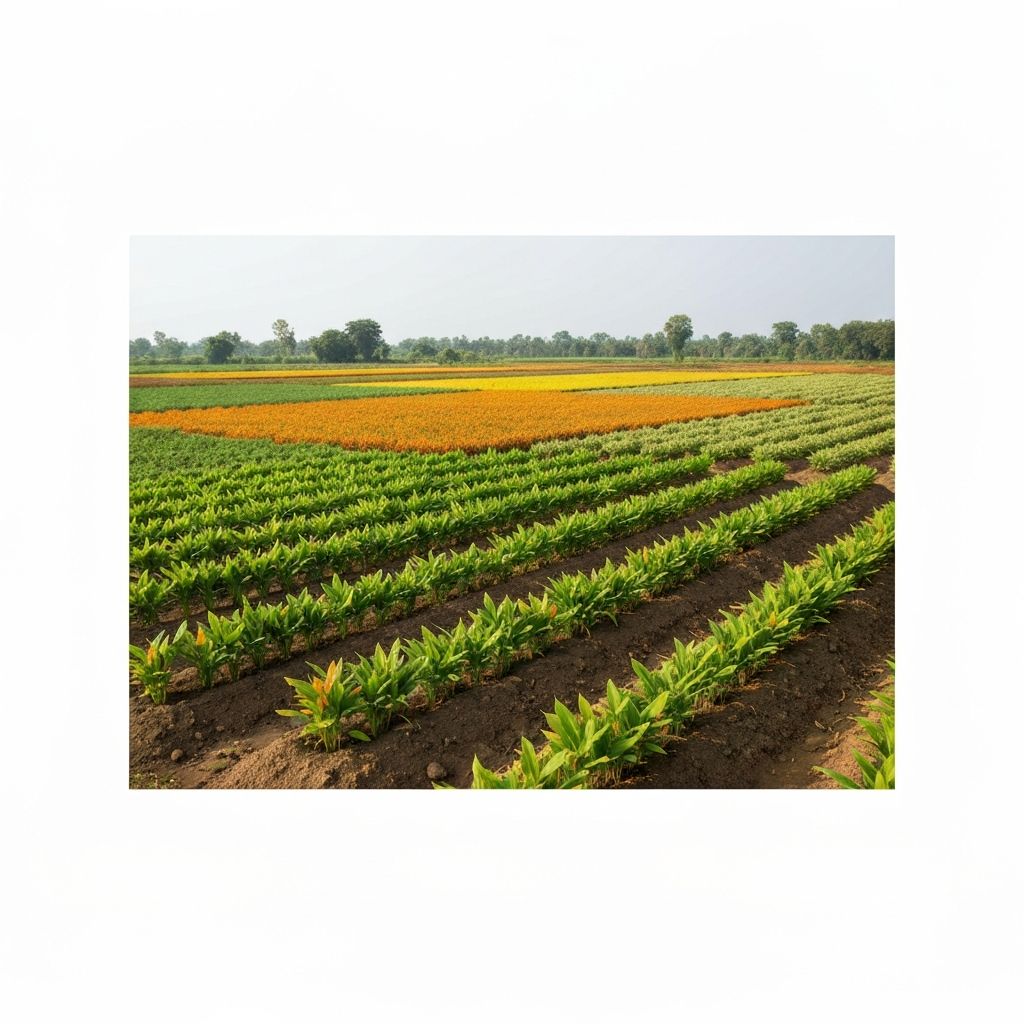
Turmeric cultivation is concentrated in tropical and subtropical regions, with India being the primary producer, consumer, and exporter. The spice is also cultivated in Indonesia, Brazil, and other tropical zones with adequate rainfall and temperature conditions.
Frequently Asked Questions
Withanolides are a class of naturally occurring steroid lactones unique to the Withania genus. These compounds are the primary phytochemicals of interest in Ashwagandha research. Modern analytical chemistry has identified and isolated numerous withanolides from Withania somnifera extracts and characterized their chemical structures.
Zinc absorption occurs primarily in the small intestine through specific transport mechanisms involving zinc-binding ligands. The efficiency of absorption varies based on dietary composition, with factors such as phytates and calcium potentially affecting bioavailability. The body maintains zinc homeostasis through regulated absorption and excretion mechanisms.
Curcumin exhibits limited stability in aqueous environments and degrades when exposed to heat and light. Research has focused on enhancing curcumin bioavailability through various formulation strategies, including lipid-based carriers and combination with piperine. The chemistry of curcumin degradation and metabolic transformation remains an active area of study.
Zinc is an essential nutrient that must be obtained through diet. Common dietary sources include animal proteins, seeds, nuts, and legumes. Curcumin enters the diet primarily through culinary use of turmeric spice. Ashwagandha is not a standard dietary staple in Western nutrition but is incorporated through herbal preparations in certain wellness contexts.
Limitations and Context Block
Important Notice
Educational content only. No promises of outcomes.
This website provides informational and educational content about botanical and nutritional topics. The material presented:
- Does not constitute medical, nutritional, or professional advice
- Is not intended to diagnose, treat, cure, or prevent any condition
- Should not replace consultation with healthcare professionals
- Represents general information from published scientific and historical sources
- Does not make individual recommendations for any person
- Acknowledges that approaches to nutrition and wellness vary widely among individuals
Individual responses to substances vary based on genetics, health status, medications, and other factors. Before making any dietary or lifestyle changes, consult with a qualified healthcare professional who understands your specific health situation.